
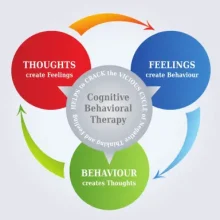
Cognitive Behaviour Therapy (CBT)
Addiction is often used to numb difficult or painful thoughts and feelings. To recover from addiction and mental illness, it is imperative to recognize the interactions within thoughts, feelings, and actions, as well as understanding their importance in the recovery process. During CBT, our clients learn to identify their negative "automatic thoughts.” Automatic thoughts are impulse-driven and result from self-doubt and fear. Recognizing the reasons for feeling or acting the way they do will enable clients to overcome their addiction and learn new, healthy behaviors instead of abusing substances or engaging in destructive behaviours.
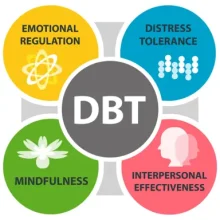
Dialectical Behavioural Therapy (DBT)
As a type of comprehensive and practical psychotherapy, DBT encourages confidence and stress management in those who are recovering from addiction. DBT has proven effective in treating complex mental health disorders and behavioral issues, including trauma, substance abuse disorders, and depression. As part of our DBT program, we teach our clients four key coping skills: mindfulness, self-regulation, distress tolerance, and interpersonal effectiveness. It is through these skills that they are able to remain calm in stressful situations, make thoughtful decisions, and control their impulses.
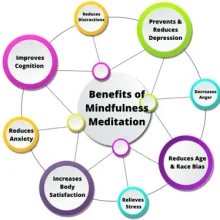
Mindfulness Therapy
The use of mindfulness in therapy can reduce anxiety and help clients stay present. The practice of deep breathing, body scans, and guided meditation helps regulate emotions. These practices can improve the client's ability to observe their thoughts and feelings without judgment, enhancing their sense of control and awareness. Combining mindfulness with other therapeutic approaches can improve treatment outcomes. Integrating mindfulness with CBT, for instance, allows clients to overcome negative thinking while staying grounded in the present moment. Additionally, when used alongside DBT, mindfulness enhances emotional regulation skills and improves resilience.
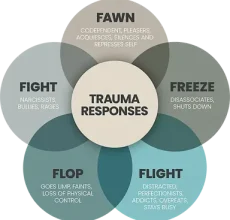
Trauma-Specific Therapy (TST)
The purpose of trauma-specific therapy (TST) is to treat the symptoms of trauma, the disorders resulting from trauma, and the specific disorders caused by trauma. TST is an innovative therapy approach that explores how trauma affects your mental, physical, emotional, and spiritual health. Besides CBT and DBT, our therapists incorporate a variety of approaches to address trauma-related symptoms and underlying issues, e.g., substance abuse. TST focuses on helping individuals develop a better understanding of their trauma and how it affects them in the present. Through TST, our therapists assist clients in recovering from trauma, resolving underlying issues, and developing healthier coping skills.
Solution-Focused Therapy (SFT)
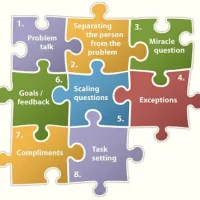
Solution-focused therapy (SFT) is a type of psychotherapy that focuses on solutions rather than problems. SFT emphasizes identifying and building on a client’s existing strengths and resources. It involves setting clear, achievable goals and developing strategies to reach them. During therapy sessions, our therapists and clients collaborate to envision a preferred future and find practical steps to move toward it. This approach helps clients feel more empowered and optimistic about their ability to create change. By concentrating on solutions, clients can quickly see progress, which boosts their motivation and confidence. Additionally, it reduces the time spent dwelling on negative experiences, fostering a more positive and forward-thinking mindset.
Eye Movement Desensitisation and Reprocessing Therapy (EMDR)
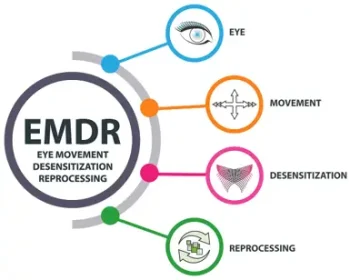
EMDR is a type of psychotherapy that helps people heal from trauma. It is based on the the idea that traumatic memories are stored in the brain as a set of images, and that EMDR can help to reduce the intensity of these images. During EMDR, our therapists guide their clients through a structured process that includes focusing on specific memories while simultaneously engaging in bilateral stimulation, such as eye movements or tapping. Our therapist assists their clients in processing these memories and reframe their emotional responses. Through this collaborative approach, distress associated with traumatic memories is reduced and psychological healing is promoted.
Attachment-Based Therapy (ABT)
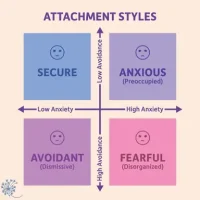
ABT is a type of psychotherapy grounded on the idea that early attachment experiences shape relationships throughout life. Attachment issues can contribute to addiction by creating a sense of emotional void or instability that individuals may fill with substances. When early attachment experiences are disrupted, it can lead to difficulties regulating emotions and forming trust. This makes individuals more susceptible to addictive behaviours. By addressing these underlying attachment issues, our therapists work with clients to develop healthier coping mechanisms and reduce substance dependence. Our therapists provide a safe and supportive environment for clients to explore their past attachment experiences. They help clients identify and understand the patterns that stem from these early relationships. During this therapeutic process, our clients learn to build trust and develop healthy emotional connections.

Faith-Based Counselling (FBC)
Using FBC as a recovery tool enables our clients to identify their values and beliefs. Faith-based values provide purpose, hope, and inner strength vital to recovery. Addiction recovery using faith-based approaches increases resilience and self-worth. Additionally, a faith-based setting can provide emotional support and a sense of belonging, which are crucial to long-term recovery. Moreover, faith-based activities such as reflection and prayer can reduce stress and promote emotional healing. We provide FBC and support as an integral component of our recovery program. During sessions, our therapists provide encouragement, accountability, and wisdom to guide clients on their journey. Additionally, our therapists demonstrate hope and transformative potential through their own faith and recovery.

Increased use
Eventually, a person's brain and body become tolerant to the substance, so to experience the same effects, you need to take more, use it more frequently, or combine it with other substances. This increased tolerance can lead to a higher risk of overdose, as individuals may consume dangerous amounts to achieve the desired effect. Additionally, the combination of substances can result in unpredictable and potentially fatal interactions. Over time, this dependency cycle can severely impact physical and mental health. Seeking professional help is crucial to breaking this destructive cycle. Our trained specialists can provide the necessary support, medical intervention, and therapy to manage addiction safely.

Substance-driven
When everything you do revolves around substance use, you are more likely to be substance-driven to the point of addiction. For instance, you are consumed with thoughts of substance use, you crave throughout the day, and your main focus is getting and keeping enough on hand. An addiction's emotional toll can leave you feeling guilt, shame, and hopeless. As relationships suffer, people often feel loneliness and isolation. The constant battle with cravings and withdrawal can also result in severe anxiety and depression. Our Strong for Life Recovery program provides valuable counseling and individualized treatment options for those seeking recovery and sobriety.

Negative attitude
While you may feel in control, substance abuse can profoundly affect your attitude. For instance, you often miss family events; your interests wane; you fail to meet family responsibilities, causing relationship problems; or your performance leaves you unemployed. Watch your consumption patterns, especially if you exhibit changes in behavior, such as secrecy or isolation. Consider Strong for Life Recovery if you require substance abuse support. Our recovery program is tailored to the specific needs of each client. Personalized treatment plans are crucial to a successful recovery. This allows our therapists to provide interventions that resonates with clients, maximizing recovery success. Remember, early detection makes recovery easier.

Quitting is hard
While some understand addiction's damage, it is difficult for them to stop. Something always triggers substance abuse. For example, stress, social situations, and emotional distress are common substance use triggers. Environmental cues, like places where substances were previously used, can incite cravings. Additionally, certain people or memories can trigger cravings. With our Strong for Life Recovery program, we help our clients identify their triggers, learn healthy coping skills, and offer support and relapse prevention interventions. These methods often include cognitive-behavioural techniques, mindfulness practices, and psychotherapy, which assist individuals in recognizing early warning signs and managing cravings. By consistently using these resources, our clients achieved lasting sobriety and improved their quality of life.


Gain Insight
With our integrated approach, we will help you gain insight into your thoughts, feelings, and behaviors. This process will allow you to understand yourself better and make positive changes.

Effective Coping Strategies
We will teach you effective coping strategies that will help you overcome your difficulties. These strategies will provide you with the skills and tools you need to manage your emotions and improve your mental health.

Warm and Supportive Environment
We provide a warm and supportive environment to our clients. Our empathetic and professional therapists are here to guide you through the process, ensuring you feel comfortable and supported from the very beginning.

Lasting Change
Our trained and experienced therapists will guide you through the process of achieving emotional well-being, personal growth, and lasting change. We believe that everyone has the potential to live a fulfilling life, and we are here to help you achieve yours.