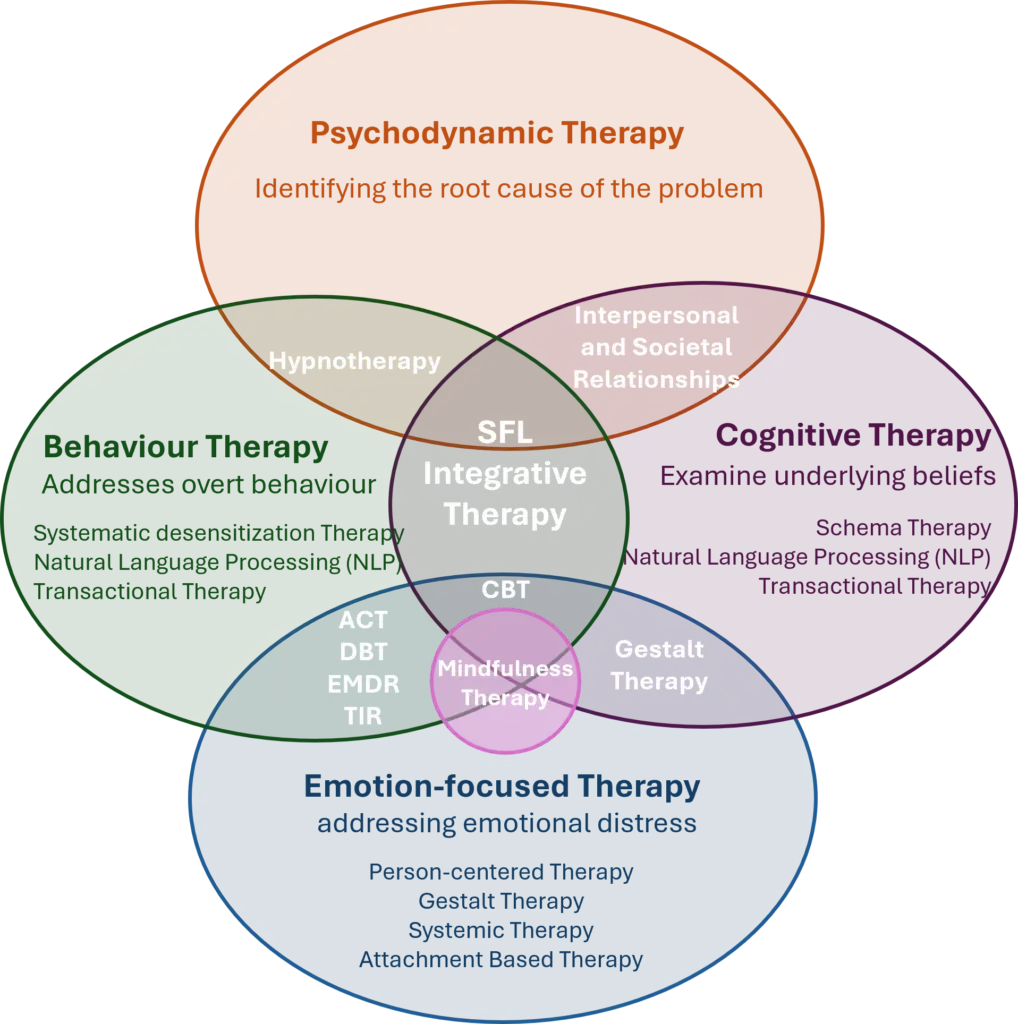
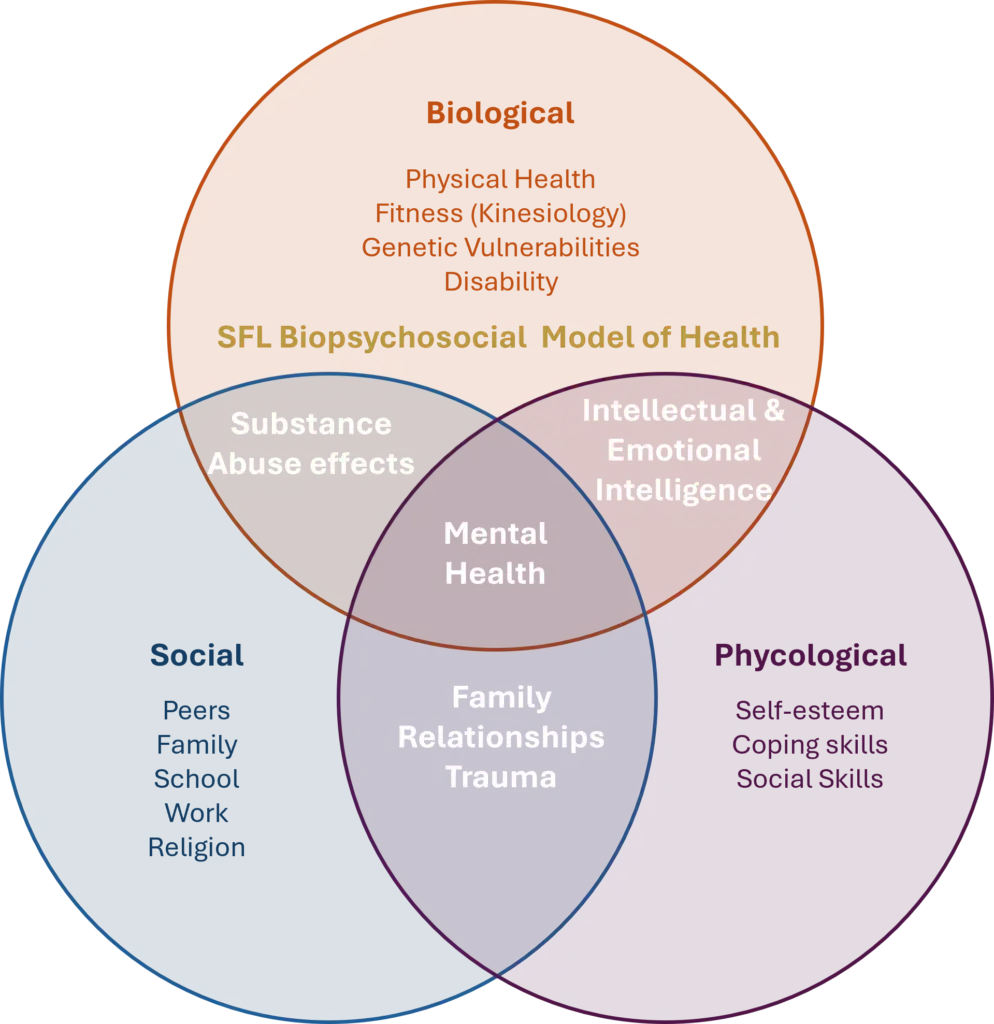
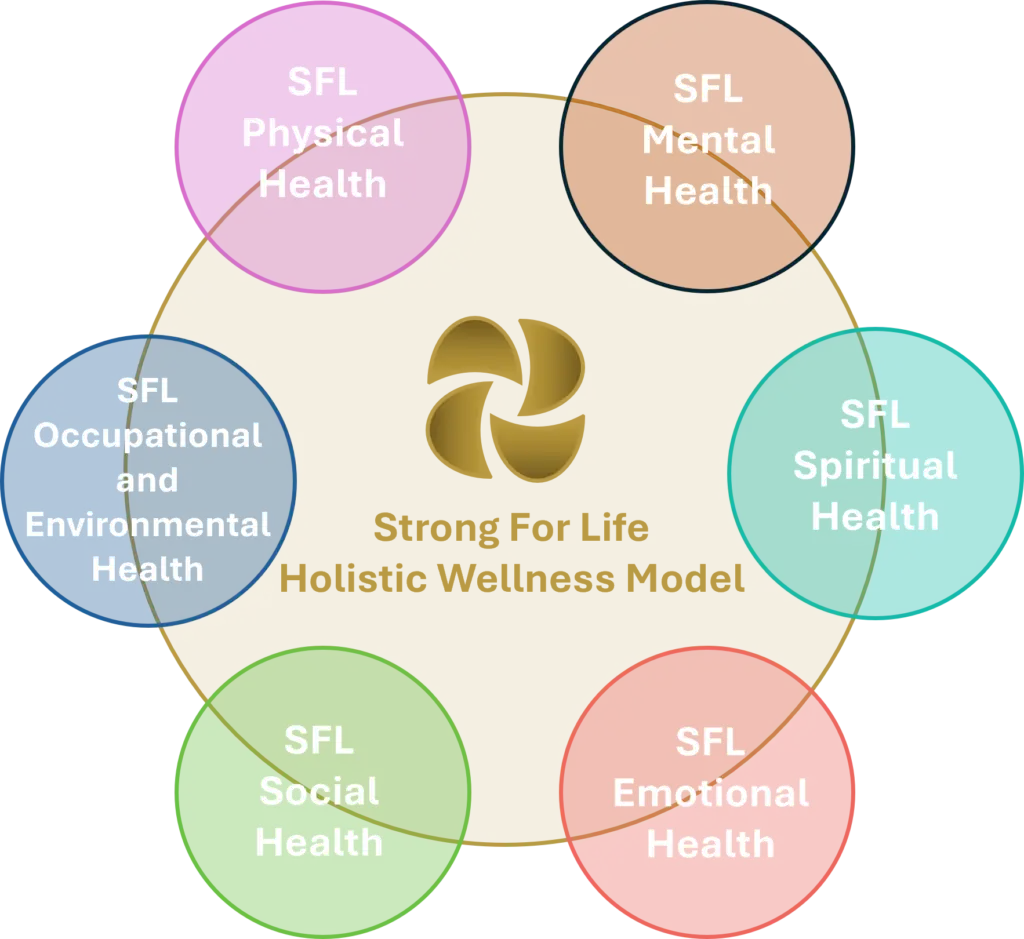
Integrative Therapy such as Psychotherapy and Behavioural Psychology, integrate principles from multiple psychological schools – including Behavioral Therapy, Cognitive Therapy, Psychodynamic Therapy, and Emotion-focused Therapy – to create an individualized, whole-person approach to clinical intervention. Behavioral psychology focuses on action-oriented, measurable change while combining Integrative Therapy Psychotherapy with Psychological and Emotional insights to address mental, physical, and emotional well-being.
Typically, a person seeking therapy has co-occurring diagnoses. By integrating elements of different psychological theories or modifying standard therapeutic modalities, Integrative Psychotherapy and Behavioural Psychology provides a more flexible and inclusive approach to therapeutic interventions compared to approaches that focus on a single type of therapy.
For example, Integrative Therapy such as our Strong for Life Integrative Psychotherapy and Behavioural Psychology focus on treating the whole person’s psychology – their Spiritual (their inner being (soul) as defined by each individual), Physical, Psychological (thoughts, behaviours), Emotions, Intellectual (cognitive reasoning) and Identity, as balance is key.
In this way, the individual is understood in the context of their internal and external surroundings and environment. Therefore, our Strong for Life Integrative Psychotherapy and Behavioural Psychology interventions extend beyond just simple combinations of therapeutic interventions.
In light of this, Juanitte Pieterse formulated and applies a variety of Integrative Psychotherapy and Behavioural Psychology interventions to facilitate the recovery of her clients, recognizing that every client is unique.

Our Strong for Life Integrative Psychotherapy and Behavioural Psychology modalities are suitable for use in almost any type of therapeutic intervention with children, adolescents, and adults.
Moreover, our Strong for Life Integrative Therapy and Psycho-Behavioural therapeutic interventions are relevant to and highly effective in a number of different contexts, including Individual Therapy, Couple Therapy, Family Therapy, Child-play Therapy, in group settings, addiction recovery and rehabilitation centers and notably in Family Law and Divorce Mediation and High Conflict and Complex Divorce Cases involving, among others, Narcissists and Psychopaths, and their related Abuse.
A wide range of psychological difficulties can be successfully treated with our Strong for Life Integrative Psychotherapies and Psycho-Behavioral Therapies, including, but not limited to:
Personality Disorders,
Physical and / or Emotional Abuse,
Trauma,
Post-traumatic stress Disorder (PTSD),
Complex Post-traumatic stress Disorder (C-PTSD)
Grief and Loss,
Anxiety,
Depression,
Attention deficit hyperactivity (ADHD),
Divorce, Family Dissolution, or Separation,
Interpersonal Relationship Challenges,
Autism Spectrum Disorder,
Oppositional Defiance and Conduct Disorders,
Variety of Addictions (e.g., sex, gambling, shopping addiction),
Substance use Disorder (SUD),
Bipolar Disorder I & II,
Anger management,
Self-Esteem,
Self-Harm,
Eating Disorders,
Sleep Concerns,
Sexual Challenges.
The following are examples of Treatment Modalities used in our Strong for Life Integrative Psychotherapy and Behavioural Psychology:
Psychodynamic Therapy
Focuses on uncovering unconscious patterns, emotions, and unresolved conflicts stemming from past relationships and childhood experiences. Key Modalities of Psychodynamic Therapy include:
Individual Therapy: The traditional, one-on-one format focusing on in-depth exploration of unconscious conflicts, often face-to-face in modern settings.
Brief Psychodynamic Therapy (BPT): A time-limited (12-24 sessions), focused approach aiming for symptom relief by addressing specific, targeted issues.
Group Therapy: Utilizes interpersonal dynamics within a group setting to explore transference and social relationships.
Psychoanalytic Therapy: A more intensive, long-term, and frequent version of psychodynamic therapy, originating from Freudian theory.
Child/Play Therapy: A form of therapy where children express unconscious conflicts through play, such as using puppets or sandboxes.
Cognitive Behavioural Therapy (CBT)
Focuses on identifying and challenging cognitive distortions, inaccurate thoughts, and core beliefs. Key Modalities of Cognitive Behavioural Therapy include:
Rational Emotive Behavior Therapy (REBT): Actively challenges irrational beliefs and changes them into more rational, constructive thoughts.
Dialectical Behavior Therapy (DBT): Combines standard CBT with mindfulness and emotional regulation, often used for borderline personality disorder and emotional instability.
Acceptance and Commitment Therapy (ACT): Encourages accepting uncomfortable thoughts and feelings while committing to behaviours that align with personal values.
Mindfulness-Based Cognitive Therapy (MBCT): Integrates mindfulness techniques, such as meditation, with cognitive strategies to break cycles of depression or anxiety.
Trauma-Focused Cognitive Behavioural Therapy (TF-CBT): A specific, evidence-based modality designed to treat the emotional and behavioural impacts of trauma, particularly in children and adolescents.
Exposure Therapy: A behavioural technique focused on breaking patterns of avoidance by gradually exposing patients to fearful stimuli.
Behavioural Activation: Primarily used for depression to help individuals re-engage with pleasurable, productive activities.
Emotion-focused Therapy
Focuses on recognizing, understanding, and transforming emotional experiences (8-20 sessions) to promote psychological health. It helps individuals, couples, and families change maladaptive emotions and behaviours. It uses techniques like empathic validation, and emotional restructuring to build secure bonds. Key Modalities of Emotion-focused Therapy include:
Emotionally Focused Couples Therapy (EFCT): Focuses on transforming negative communication cycles into secure emotional bonds by identifying underlying attachment needs.
Emotion-Focused Individual Therapy (EFIT): Originally known as Process-Experiential Therapy, this modality targets intrapersonal issues by helping clients access, process, and regulate their emotions.
Emotion-Focused Family Therapy (EFFT): Aims to improve interpersonal relationships and bonding within family systems by addressing attachment-related emotions.
Emotion-Focused Cognitive Behavioural Therapy (ECBT): A specialized form for children, combining CBT techniques with emotion regulation, particularly for anxiety.
Behaviour Therapy
Focuses on modifying harmful behaviors through techniques based on conditioning and learning principles. Key Modalities of Behavioural Therapy include:
Cognitive Behavioural Therapy (CBT): A structured, goal-oriented approach that identifies and challenges dysfunctional thoughts and behaviours to improve emotional regulation.
Dialectical Behavior Therapy (DBT): Specifically designed for emotional regulation, it teaches mindfulness, distress tolerance, interpersonal effectiveness, and emotional regulation.
Acceptance and Commitment Therapy (ACT): Encourages accepting difficult thoughts and feelings while committing to behaviours aligned with personal values to increase psychological flexibility.
Exposure and Response Prevention (ERP): A specialized form of behavior therapy used for OCD, which involves exposing individuals to anxiety-triggering stimuli without performing the associated compulsions.
Applied Behavior Analysis (ABA): Uses operant conditioning to modify behaviours, often used for autism spectrum disorder, incorporating positive reinforcement to increase desired behaviours.
Rational Emotive Behavior Therapy (REBT): Focuses on identifying and disputing irrational beliefs that lead to unhealthy behaviours and emotions.
Cognitive Behavioural Play Therapy (CBPT): Utilizes play to help children identify and change distorted thought patterns and behaviours.
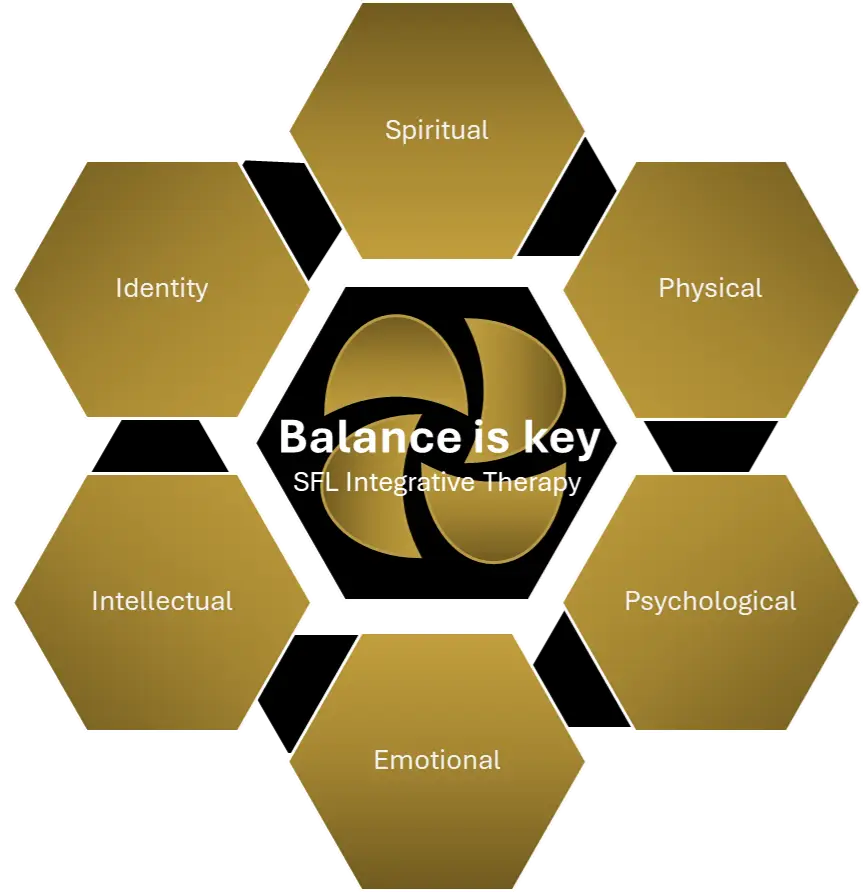
As part of our Strong for Life Integrative Therapy (Psycho-Behavioural) therapeutic interventions, we begin by conducting an in-depth evaluation of the client’s needs. This includes their personal history, current symptoms, and treatment goals. Based on this assessment, we select the therapeutic approaches that will provide the most effective results from a variety of therapeutic approaches to formulate a cohesive treatment plan. This personalized approach ensures that each client receives a customized intervention that targets their specific needs. As a result, the Strong for Life Integrative Therapy (Psycho-Behavioural) therapeutic interventions process is more effective overall and long lasting.

The holistic nature of our SFL Integrative Psychotherapy and Behavioural Psychology modalities also means that our approach considers the individual as a whole, rather than focusing solely on symptom reduction (an example is medicine).
By addressing the holistic aspects such as emotional, cognitive, behavioural, spiritual, social, physical, occupational, and environmental of a person’s experience, our Strong for Life Integrative Therapy (Psycho-Behavioural) therapeutic interventions promote overall well-being and long-term mental health.
This comprehensive approach not only alleviates immediate symptoms but also equips clients with the skills and insights needed for sustained personal growth and resilience.
In conclusion, Strong for Life Integrative Therapy (Psycho-Behavioural) therapeutic interventions strength lies in its versatility and personalization. By combining multiple therapeutic techniques, it offers a robust framework for addressing a wide range of mental health challenges and disorders, ultimately supporting a more balanced, fulfilling and meaningful life.


Juanitte Pieterse specializes in Clinical Psychology, Family Law Mediation, Complex Divorce, Psychopathology Diagnosis and Intervention, incl. Cluster B Personality Disorders and their related Abuse.
With her psychologically and legally sound leveraging strategies and counsel, her clients are better equipped to deal effectively with the complexities of Family Law Mediation, Negotiation, Litigation, and/or Court proceedings with confidence, resiliency, ultimately enhancing their chances of obtaining a favorable outcome.
With a degree in Psychotherapy and Forensic Counselling, BSc (Hons) Psych Coun (cum laude), Dip HE Psych (cum laude), Registered ASCHP WC24/11073, Juanitte is the author of Strong for Life Mental Health and Disorders Revisited, J P Psycho-legal Consultancy and Strong for Life Integrative Therapy & Counselling Practicum Course.
“Should you be interested in any of my professional expertise or wish to collaborate with me, I invite you to complete and submit the client intake form. I look forward to responding in a timely manner, as I may be in consultation at the time of your inquiry.
I firmly believe that everyone is capable of transforming adversity into victory whatever the circumstances.” – Juanitte Pieterse

With our integrated approach, we will help you gain insight into your thoughts, feelings, and behaviors. This process will allow you to understand yourself better and make positive changes.

We will teach you effective coping strategies that will help you overcome your difficulties. These strategies will provide you with the skills and tools you need to manage your emotions and improve your mental health.

We provide a warm and supportive environment to our clients. Our empathetic and professional therapists are here to guide you through the process, ensuring you feel comfortable and supported from the very beginning.

Our trained and experienced therapists will guide you through the process of achieving emotional well-being, personal growth, and lasting change. We believe that everyone has the potential to live a fulfilling life, and we are here to help you achieve yours.